
Continue reading
Enter your email to unlock the full article.
Hobbies play a significant role in neurodiverse relationships, especially for autism singles, by providing a shared space for connection, understanding, and communication. Engaging in mutual interests helps build rapport and reduces the stress often associated with dating on the spectrum, fostering authenticity and emotional safety.
How Do Hobbies Support Neurodiverse Relationships?
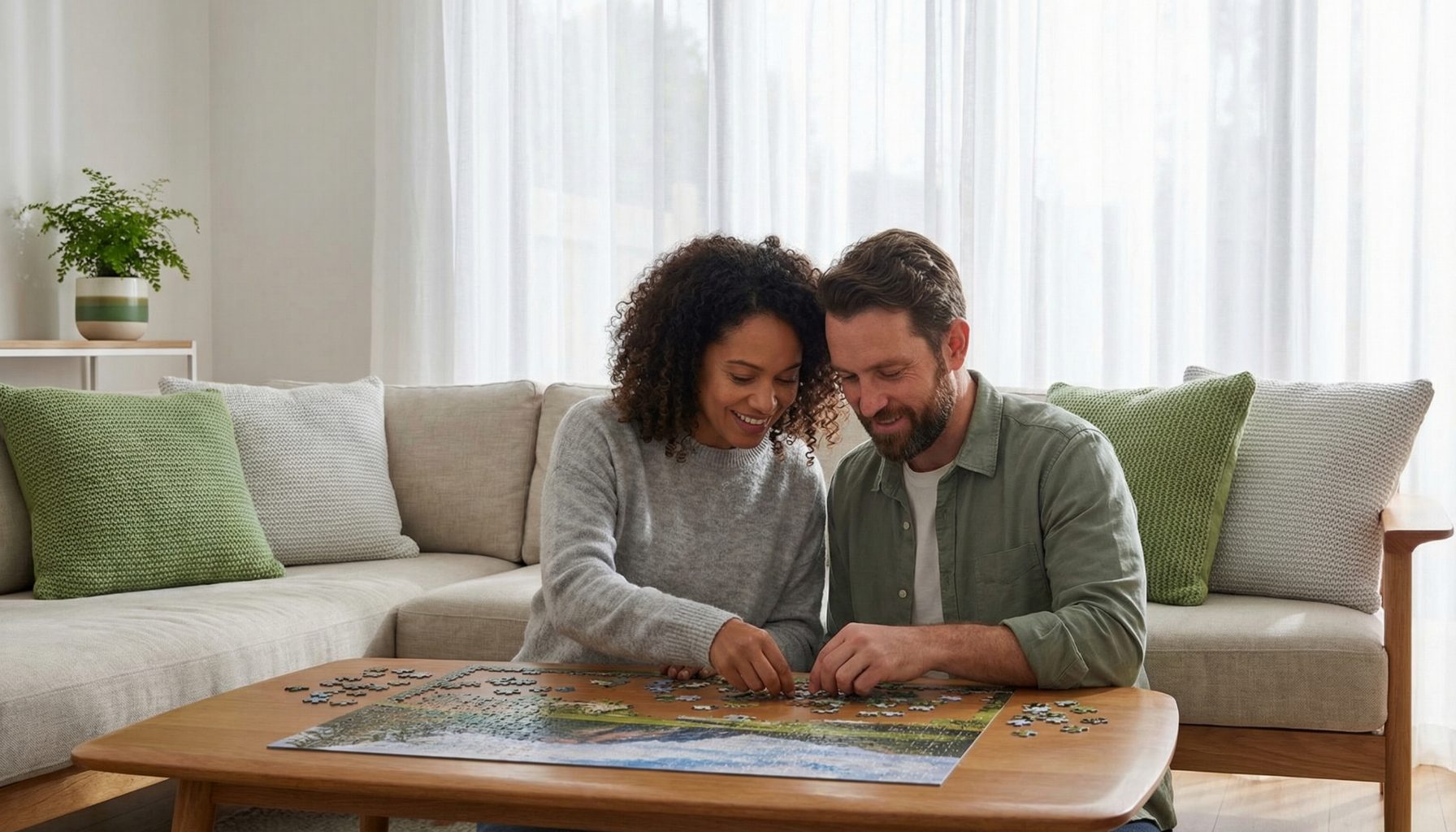
Neurodiverse relationships benefit from hobbies as they offer a structured way to interact and bond without the pressure of conventional social expectations. For autism singles, hobbies can act as common ground where communication flows more naturally, helping partners express themselves genuinely. The shared enjoyment of specialized interests can create a sense of belonging and mutual respect, vital for sustaining long-term connections.
Communication Clarity Through Shared Interests
Engaging in hobbies together facilitates non-verbal and verbal communication that is often clearer and less ambiguous than typical dating conversations. This clarity supports emotional understanding and helps reduce anxiety, which is prevalent in dating for autistic adults and those with social anxiety. Practicing a hobby together can serve as a natural icebreaker and build conversational confidence.
Emotional Safety and Reduced Social Pressure
Participating in hobbies provides a comfortable environment where autistic singles feel safe to express their preferences and boundaries. Neurodivergent dating tends to be more successful when emotional safety is prioritized, as it encourages honesty and vulnerability without fear of judgment. Activities that are sensory-friendly can further enhance comfort levels.

What Types of Hobbies Are Especially Beneficial?
Hobbies that incorporate structure, predictability, and focused interests are often appealing for autistic singles and those embracing neurodiverse relationships. Examples include:
- Creative arts such as painting, writing, or crafting
- Gaming and technology-related activities
- Outdoor pursuits like hiking or birdwatching
- Collecting or engaging in specialized interests (e.g., model building, puzzles)
- Music appreciation or playing instruments
These hobbies align well with the interests of many neurodivergent individuals who value routine and deep exploration of specific subjects.
What Are Practical Ways to Incorporate Hobbies into Autism Dating?
- Identify Mutual Interests: Start by discussing hobbies and passions to find overlapping activities where both partners feel comfortable and engaged.
- Set Realistic Expectations: Establish clear boundaries around time and social interaction to suit sensory sensitivities and energy levels.
- Create Shared Rituals: Incorporate hobby-related routines into regular meetups, such as a weekly game night or art session.
- Use Hobbies to Facilitate Communication: Use collaborative projects or cooperative games to improve conversational flow and emotional connection.
- Adapt Activities When Needed: Modify hobbies to accommodate sensory preferences or social comfort, prioritizing a low-pressure environment.
How Can Neurodiverse Dating Platforms Help?
Autism-friendly communities and dedicated autism dating sites provide safe spaces where neurodivergent singles can connect through shared interests and facilitate honest, low-stress communication. Platforms like Ausome Dating emphasize communication clarity, emotional safety, and reduced social pressures — all essential aspects for successful neurodiverse relationships. These platforms often allow users to highlight their hobbies and preferences upfront, making it easier to find compatible matches.
FAQ: Hobbies and Neurodiverse Relationships
| Question | Answer |
|---|---|
| Why are hobbies important in neurodiverse relationships? | They provide structured opportunities for connection and communication, helping to reduce social anxiety and build emotional safety. |
| Can hobbies help with sensory sensitivities during dating? | Yes, engaging in sensory-friendly hobbies can create a comfortable setting that respects individual needs and preferences. |
| How can autistic singles find hobbies to share with partners? | By openly discussing interests on autism dating sites or in supportive communities focused on honest and clear communication. |
Hobbies offer a meaningful way to bridge the unique communication styles and needs within neurodiverse relationships, especially for autism singles navigating dating on the spectrum. By embracing shared interests and prioritizing emotional safety, partners can foster genuine connections built on understanding and authenticity. If you're curious about exploring neurodivergent dating in an environment that values clarity and safety, Ausome Dating is a free way to start discovering meaningful relationships.
Want more insights like this?
Join our exclusive community of 50,000+ professionals today.
Get Started for Free
